The Noise Problem in California
California is the most populated state in the country, and it shows. Whether you're dealing with freeway traffic, noisy neighbors, barking dogs, or nearby construction, unwanted noise is one of the top complaints from homeowners — especially in Southern California's dense urban and suburban areas.
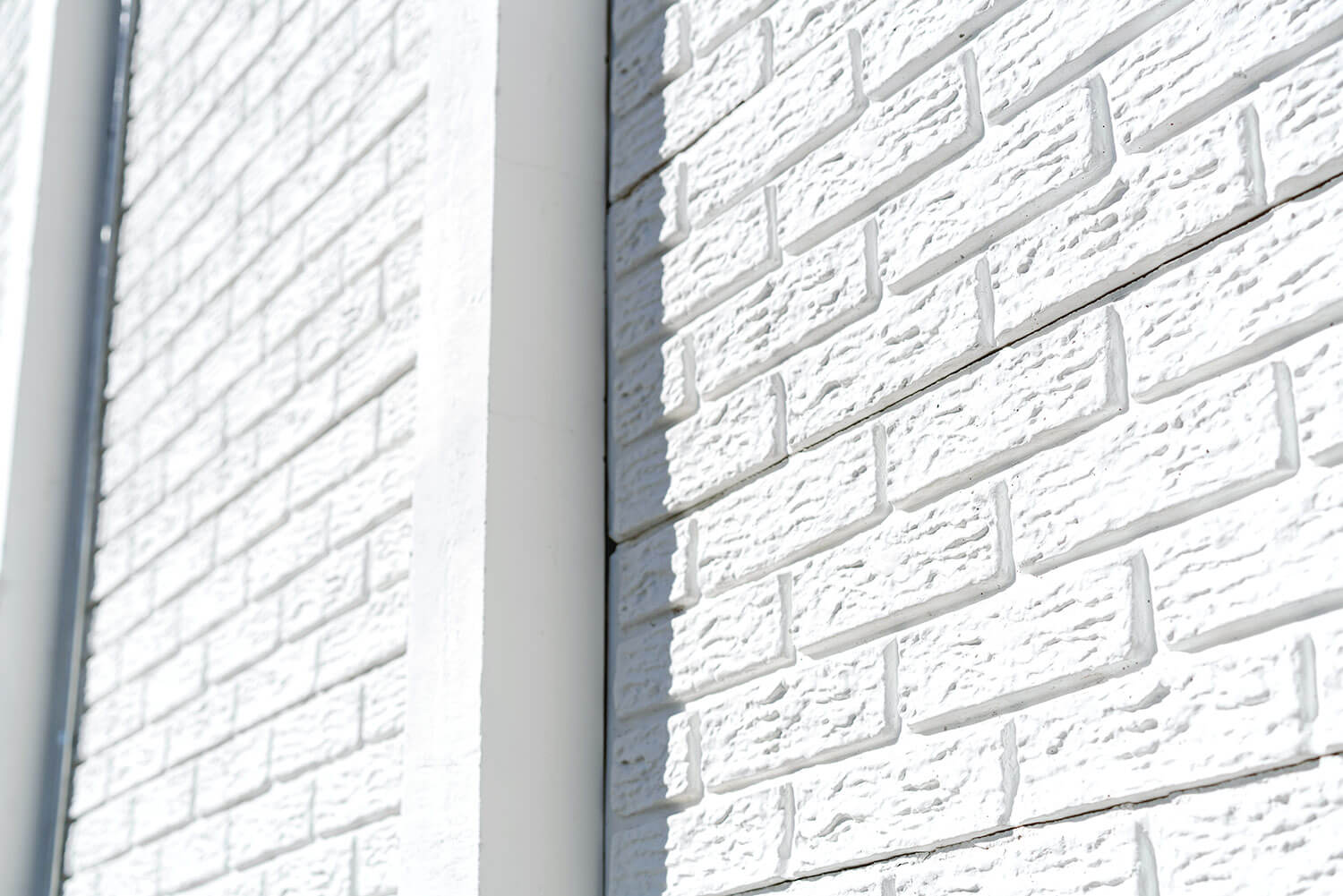
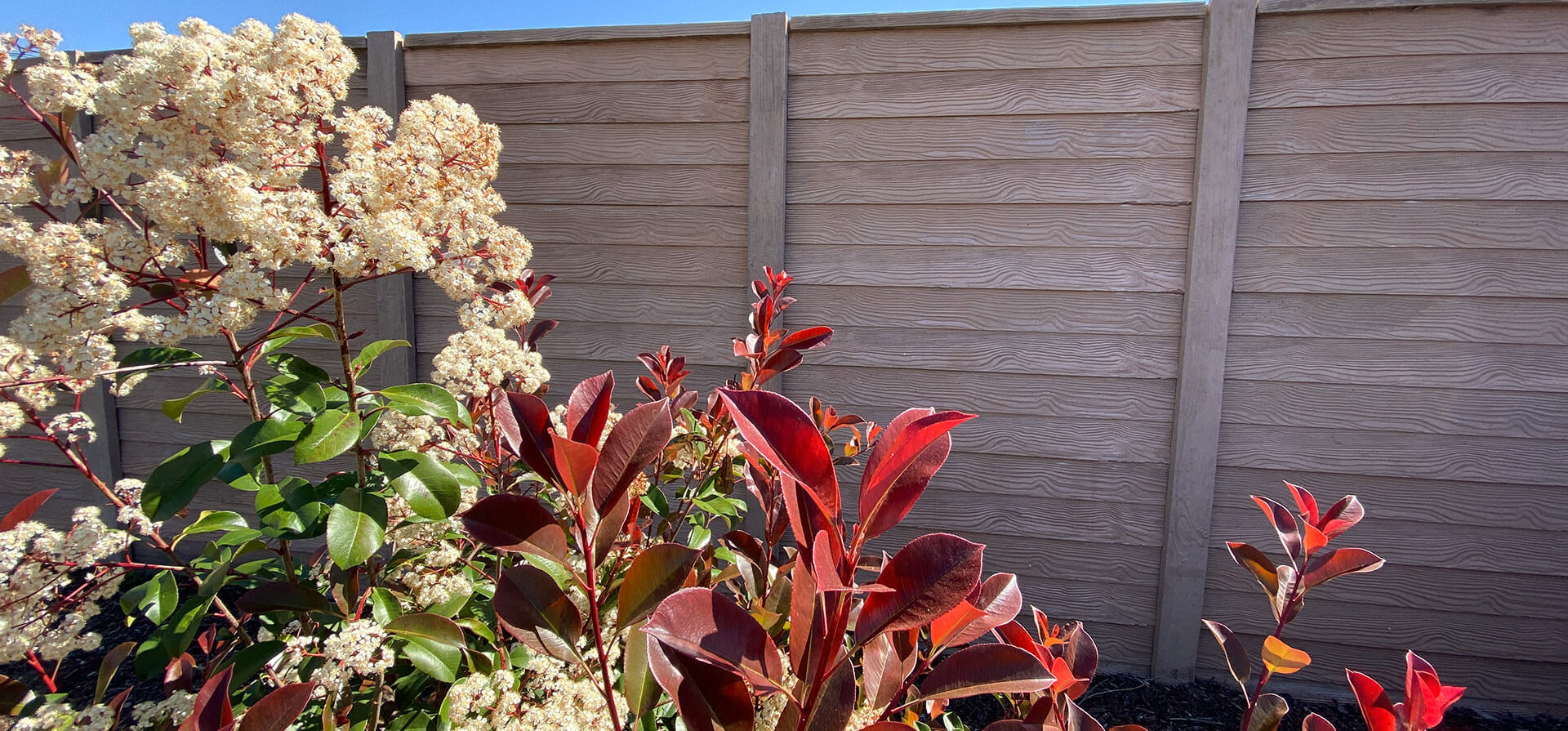
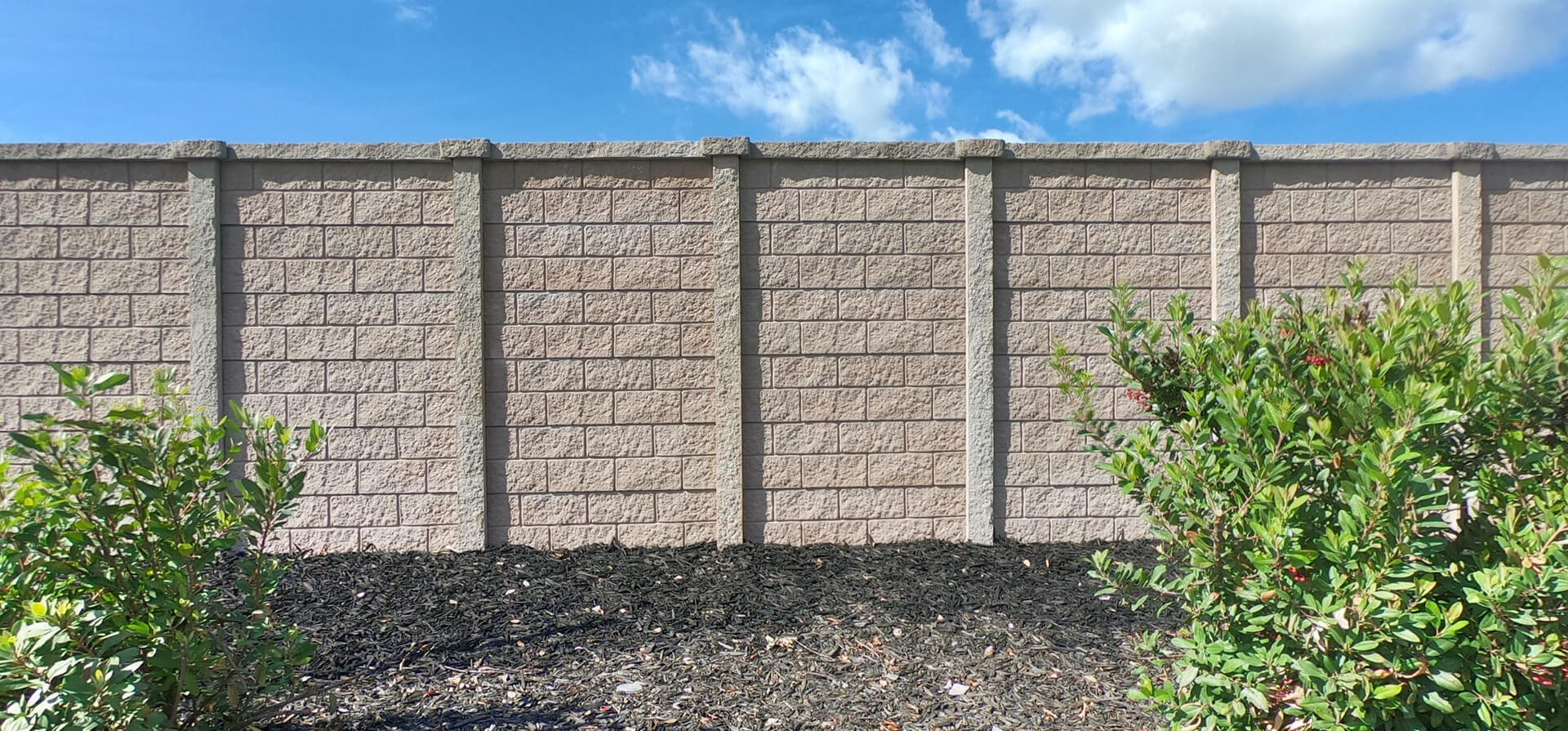
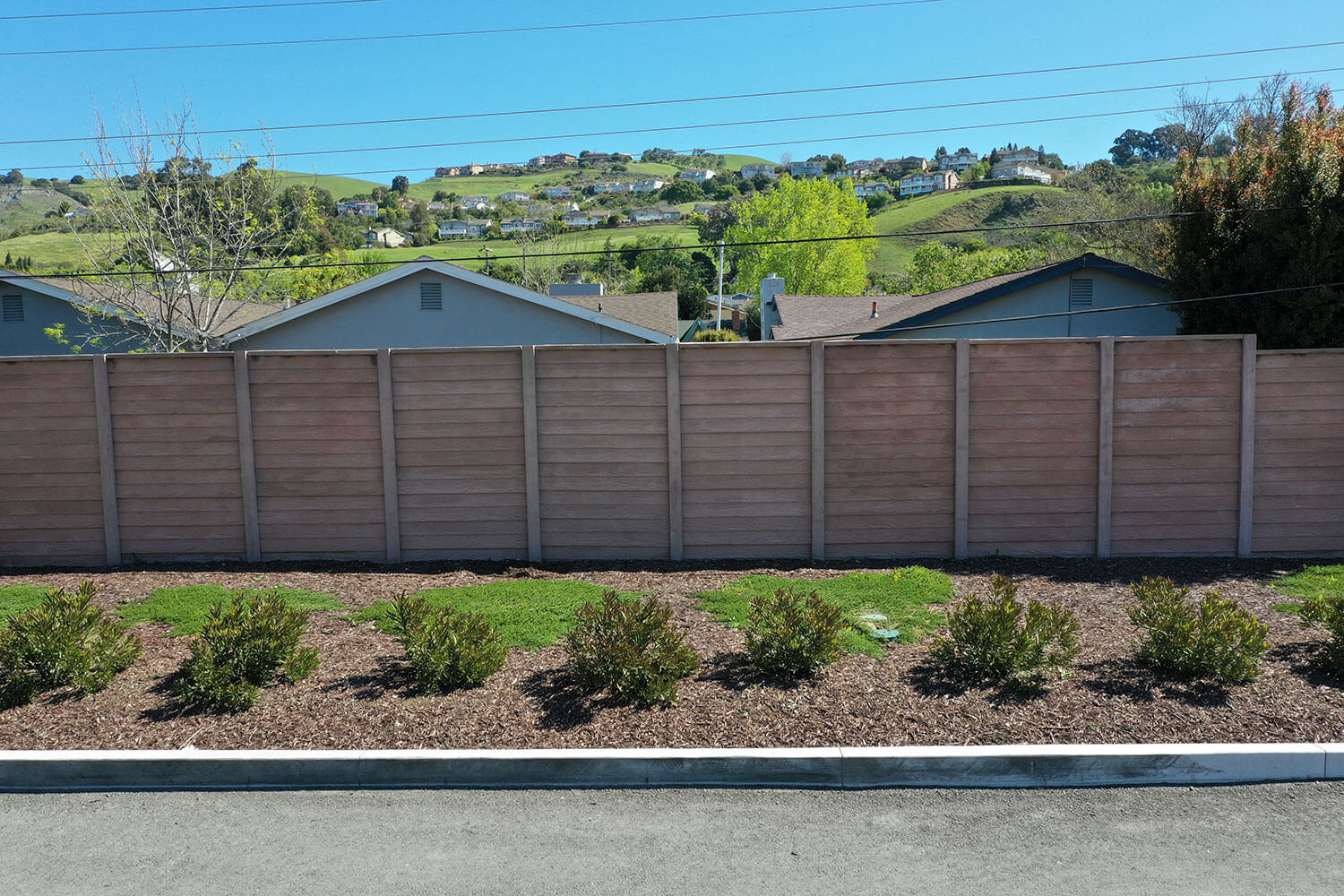
Most fences do almost nothing about noise. Wood fences have gaps between boards. Vinyl fences are hollow. Chain link is completely open. But precast concrete? It's a solid, dense barrier specifically engineered to block sound transmission.
How Much Noise Does Concrete Block?
A standard 6-foot precast concrete fence reduces noise by 6–10 decibels. That might not sound like much until you understand how the decibel scale works — it's logarithmic. A 10-decibel reduction means the perceived noise is cut in half.
For context:
- Normal conversation: 60 dB
- Busy traffic: 70–80 dB
- Lawnmower: 90 dB
- After a concrete wall: That 80 dB traffic drops to 70–74 dB — the difference between "I can't relax" and "I barely notice it"
Why Concrete Outperforms Every Other Fence Material
Sound blocking depends on three factors: mass, density, and continuity. Precast concrete excels at all three:
- Mass: A 6-foot concrete panel weighs 800–1,200 lbs. Sound waves can't move it.
- Density: Solid concrete has no air gaps for sound to pass through.
- Continuity: Panels interlock with posts, creating a seamless barrier with no gaps.
Wood, vinyl, and metal fences fail on all three counts. They're lightweight, have gaps, and flex in the wind — all of which allow sound to pass through or around them.
Best Applications for Sound Reduction
- Homes near freeways or busy roads — the most common use case
- Properties adjacent to commercial areas — restaurants, parking lots, loading docks
- Backyards near schools or parks — reduce crowd noise
- Pool areas — contain your noise and block outside noise
- Home offices — create a quieter environment for remote work
Maximizing Sound Reduction
For maximum noise reduction, we recommend:
- 8-foot height instead of standard 6-foot (where local codes allow)
- Extending the fence line beyond the noise source — sound travels around barriers
- Placing the fence as close to the noise source as possible
- Adding landscaping on the quiet side for additional absorption
Our team can assess your specific noise situation during a free on-site consultation and recommend the optimal configuration for your property.
Ready to Get Started?
Get a free, no-obligation estimate for your precast concrete fence project. Our team will visit your property, take measurements, and provide a detailed quote within 48 hours.