California Fence Regulations: What You Need to Know
California has specific laws governing fence height, placement, shared costs, and permits. Whether you're a homeowner, contractor, or HOA board member, understanding these regulations is essential before starting any fence project. Here's the complete guide.
Height Limits
California Civil Code and local zoning ordinances set fence height limits:
- Front yard: Maximum 3.5 feet (42 inches) in most jurisdictions
- Side and rear yard: Maximum 6 feet
- Corner lots: Often have additional sight-line requirements near intersections
Important: These are general state guidelines. Your city or county may have stricter or more lenient rules. Always check with your local planning department before building.
Exceptions and Variances
You may be able to exceed standard height limits with:
- A variance from your local planning department
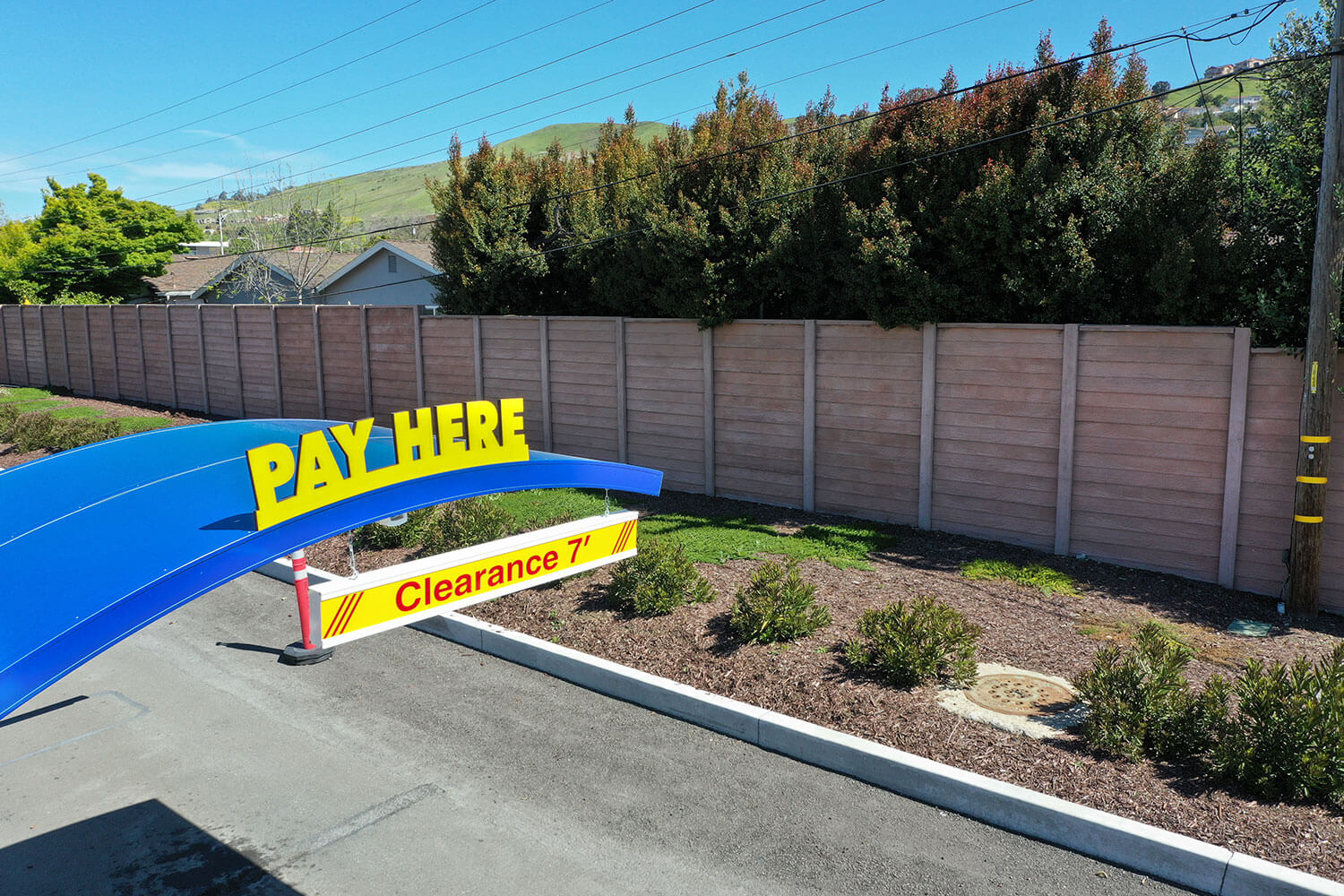
- Sound wall exemptions for properties adjacent to freeways
- Commercial or industrial zoning allowances (often 8+ feet)
- Retaining wall combinations where the fence sits atop a retaining structure
The Good Neighbor Fence Law (Civil Code §841)
California's "Good Neighbor Fence Law" establishes that adjoining landowners share equally in the responsibility for maintaining a boundary fence. Key provisions:
- Both property owners must share the cost of a "reasonable" boundary fence
- You must give your neighbor 30 days written notice before building or replacing a shared fence
- The notice must include a description of the project and estimated cost
- If your neighbor refuses to pay, you may have legal recourse
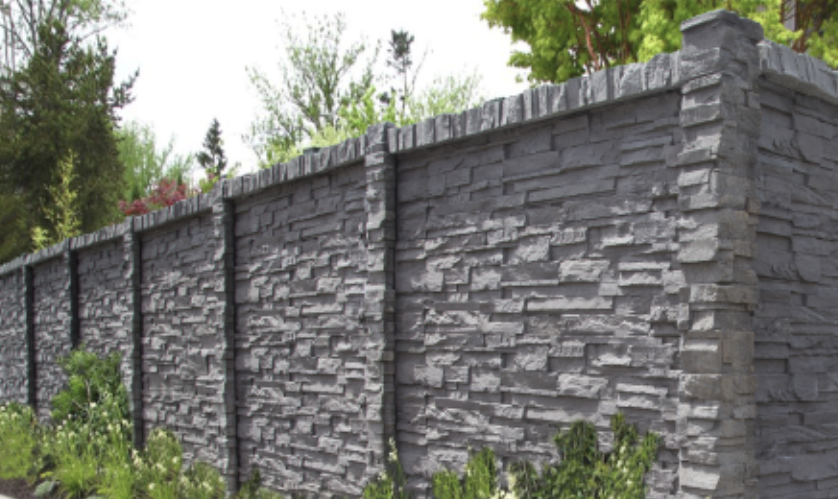
This law can work in your favor when upgrading to a precast concrete fence — your neighbor may be required to share the cost.
Permit Requirements
In most California jurisdictions:
- Fences 6 feet or under: Generally no permit required
- Fences over 6 feet: Building permit typically required
- Retaining wall + fence combinations: Permit usually required if combined height exceeds 6 feet
- Front yard fences: Some cities require permits regardless of height
HOA Considerations
If you live in an HOA community, your CC&Rs (Covenants, Conditions & Restrictions) may impose additional requirements:
- Approved materials and colors
- Specific height restrictions
- Architectural review board approval
- Setback requirements from property lines
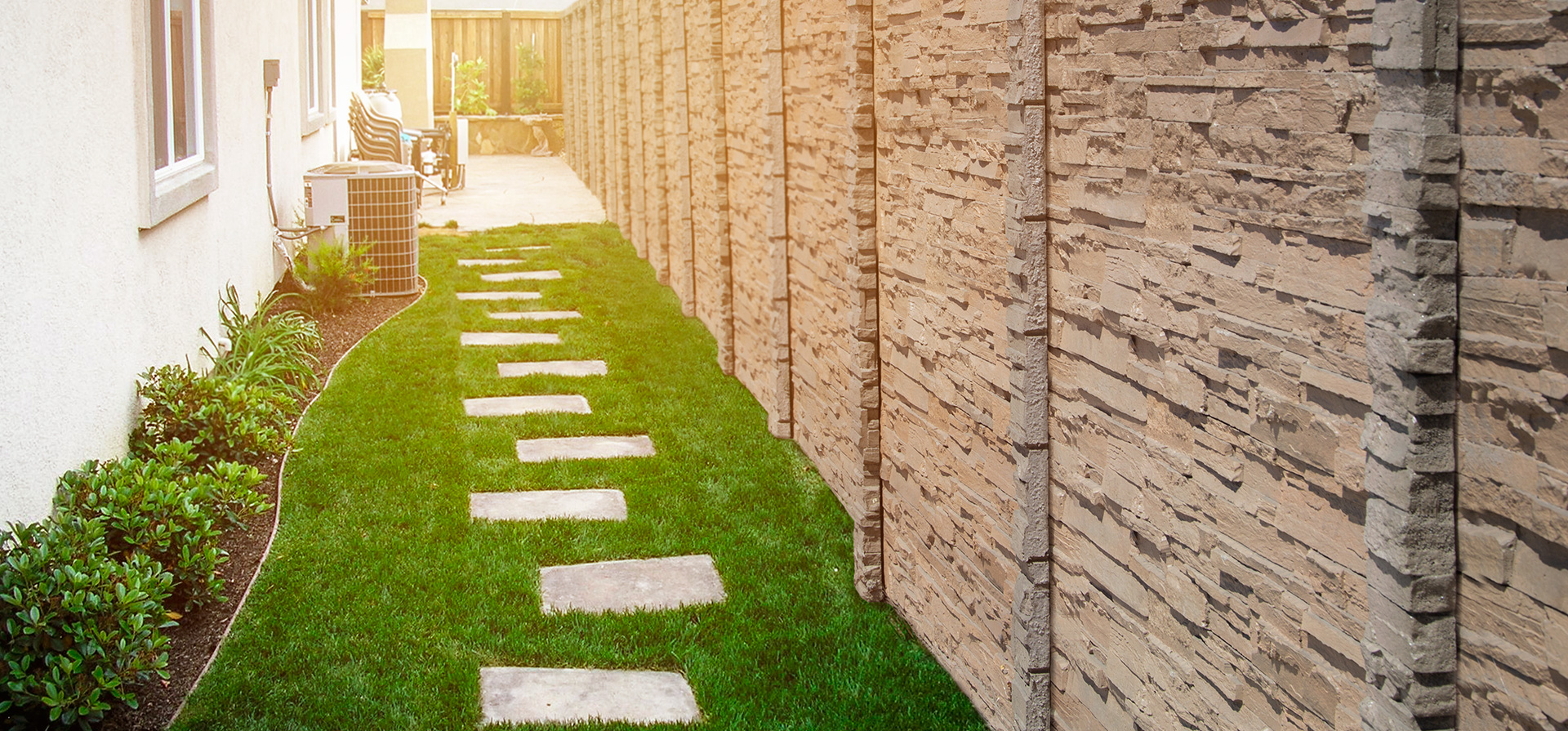
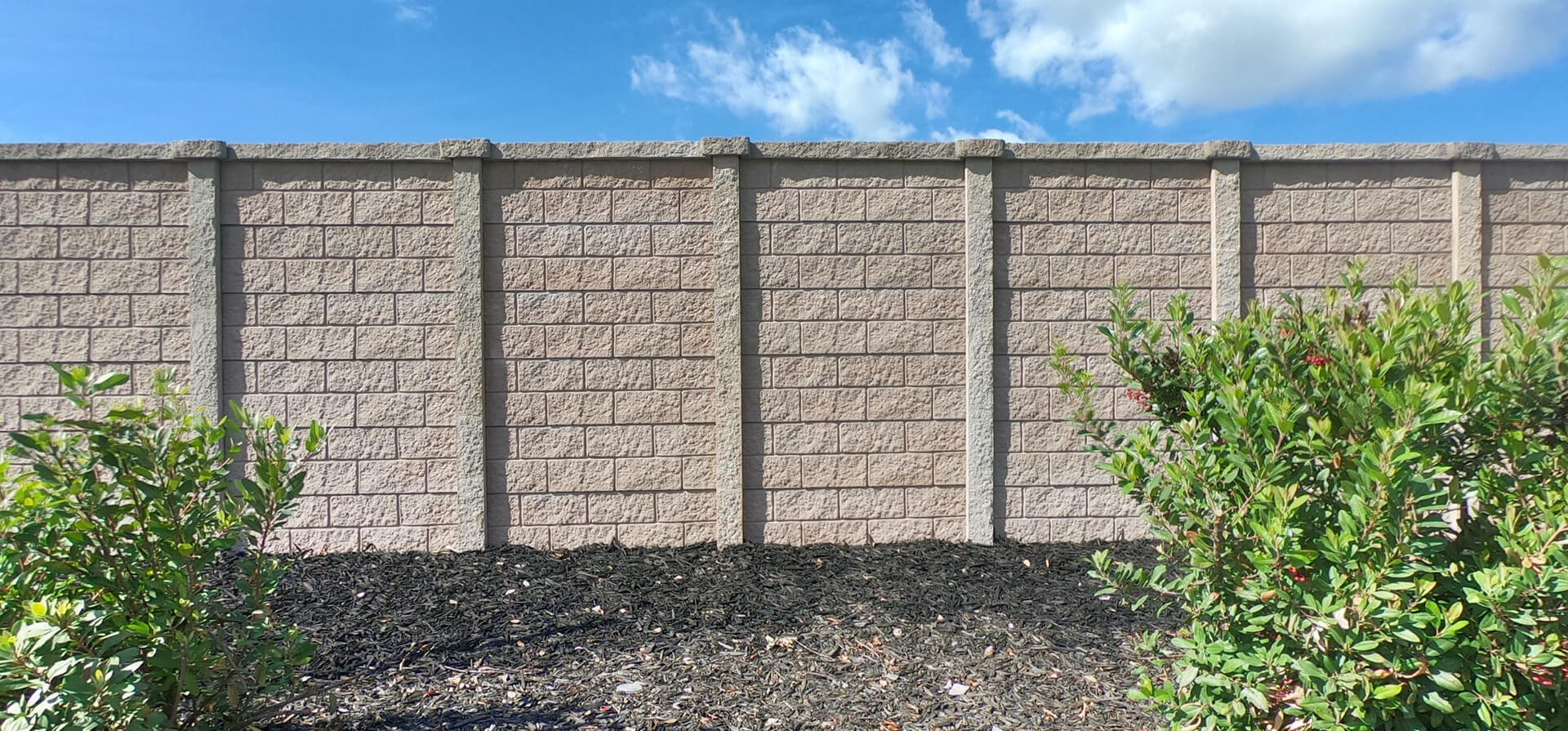
The good news: precast concrete fences are increasingly preferred by HOAs because they're uniform in appearance, require no maintenance, and maintain their look for decades — eliminating the "eyesore neighbor" problem that plagues communities with aging wood fences.
How We Handle Permits
As a licensed California contractor (LIC #1057703), we handle the permitting process for you. Our team:
- Researches your local jurisdiction's specific requirements
- Prepares and submits permit applications
- Provides engineered drawings when required
- Schedules and manages inspections
You don't need to navigate the bureaucracy yourself. That's part of our turnkey installation service.
Ready to Get Started?
Get a free, no-obligation estimate for your precast concrete fence project. Our team will visit your property, take measurements, and provide a detailed quote within 48 hours.